|
* Internet Search Results *
Wind Energy | Department of Energy
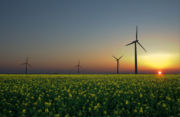
Wind power or wind energy is a form of renewable energy that harnesses the power of the wind to generate electricity. It involves using wind turbines to convert the turning motion of blades, pushed by moving air (kinetic energy) into electrical energy (electricity).
Wind power | Description, Renewable Energy, Uses, Disadvantages ...
wind power, form of energy conversion in which turbines convert the kinetic energy of wind into mechanical or electrical energy that can be used for power. Together with solar power and hydroelectric power, wind power is one of the most widely utilized forms of renewable energy.
What Is Wind Energy? - Department of Energy
Wind power or wind energy is a form of renewable energy that harnesses the power of the wind to generate electricity. It involves using wind turbines to convert the turning motion of blades, pushed by moving air (kinetic energy) into electrical energy (electricity).
Wind power - Wikipedia
Wind power is the use of wind energy to generate useful work. Historically, wind power was used by sails, windmills and windpumps, but today it is mostly used to generate electricity. This article deals only with wind power for electricity generation. Today, wind power is generated almost completely using wind turbines, generally grouped into wind farms and connected to the electrical grid. In ...
Home - UTD Wind | The University of Texas at Dallas
UTD Wind provides solutions to the wind power industry and works on novel turbine and system-level designs for land-based and offshore wind power. The center is composed of faculty members, research and administrative staff, and graduate and undergraduate students.
Wind Energy - National Geographic Society
Scientists and engineers are using energy from the wind to generate electricity. Wind energy, or wind power, is created using a wind turbine.
Wind Energy - MIT Climate Portal
Wind energy is a form of carbon-free, renewable energy, which today makes electricity at a lower average cost than any other form of new-built energy.
What Is Wind Energy? Definition, Types, and Advantages
Wind energy is a form of renewable energy generated from the kinetic energy of wind. It is a clean and sustainable power source that can be harnessed using wind turbines.
Wind turbine - Wikipedia
Wind turbines are an increasingly important source of intermittent renewable energy, and are used in many countries to lower energy costs and reduce reliance on fossil fuels.
Wind energy - IRENA
Wind is used to produce electricity by converting the kinetic energy of air in motion into electricity. In modern wind turbines, wind rotates the rotor blades, which convert kinetic energy into rotational energy.
|
 Z101.Com